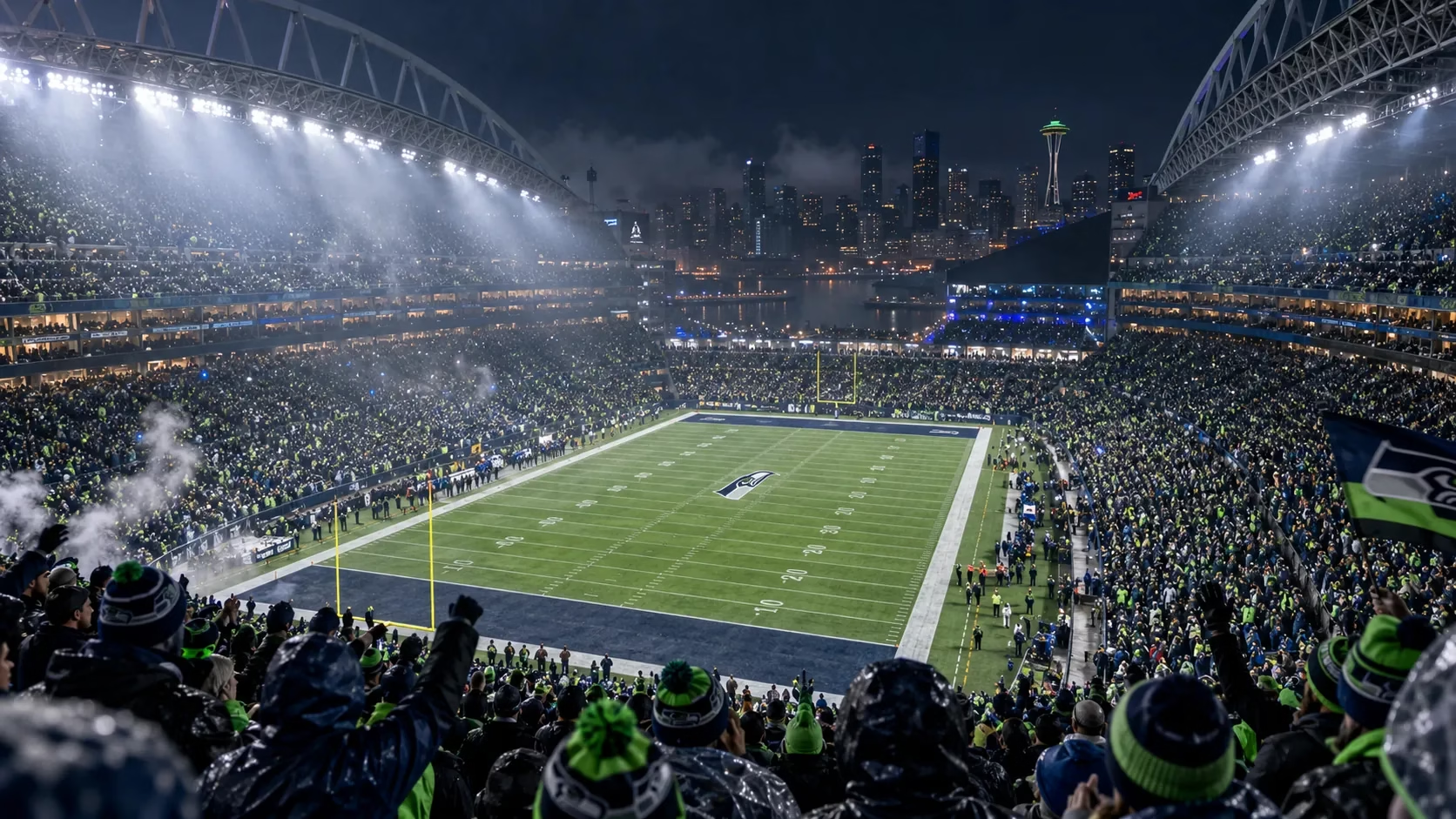
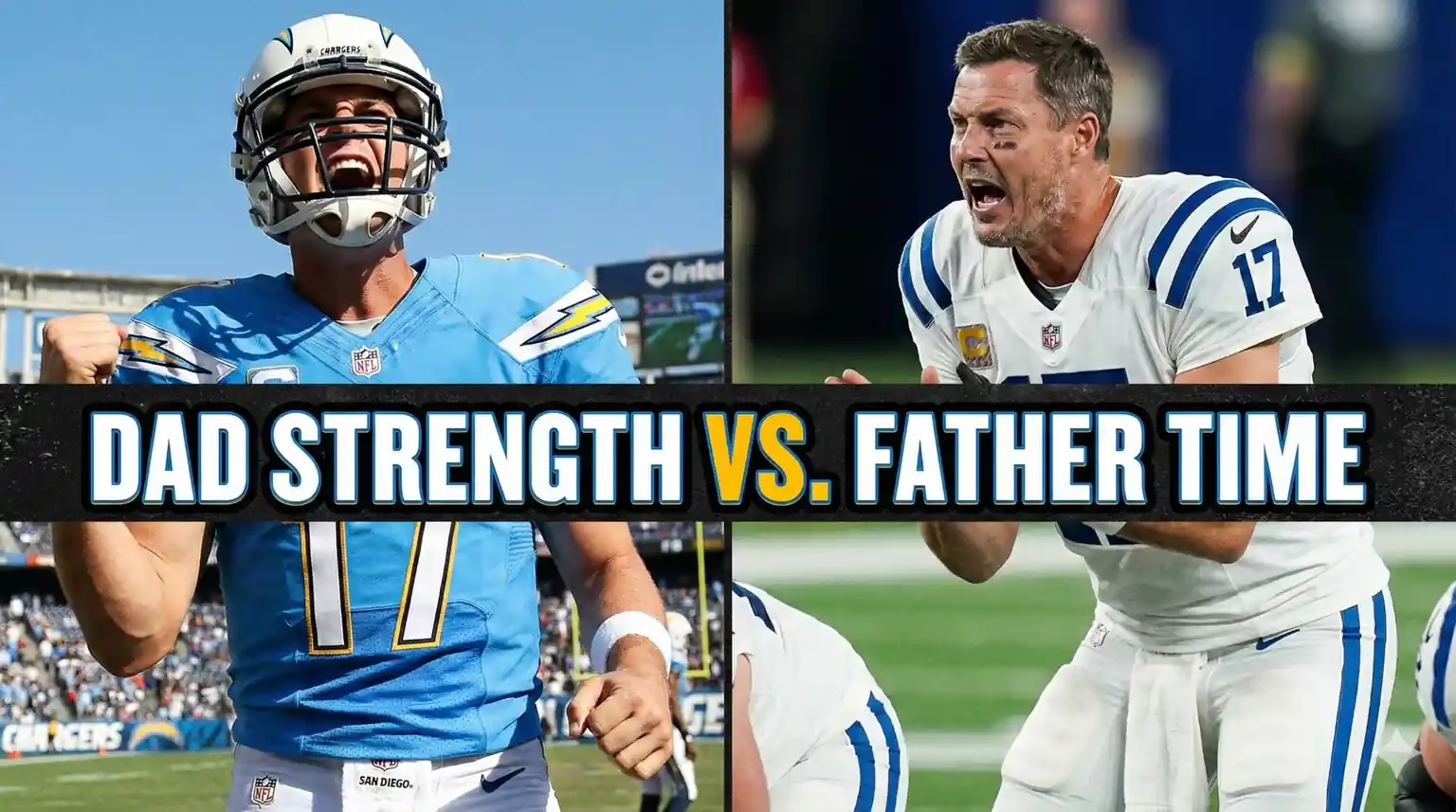
Philip Rivers’ return to the Indianapolis Colts in December 2025 was a rare late-season comeback for a veteran who had been retired for nearly five years. The Colts lost 18–16 to the Seattle Seahawks, with a late interception ending their final opportunity to change the result.
Rivers’ return drew attention because it put a longtime veteran back in an NFL game after a lengthy absence. Indianapolis needed quarterback depth late in the season, and Rivers’ familiarity with the team’s offensive system made the short-notice move notable. It was an unusual roster decision, not proof that a retired quarterback could simply return to his earlier physical level.
Why Indianapolis turned to Rivers
The Colts’ quarterback situation had changed after injuries affected their options. Rivers had previously played for Indianapolis during the 2020 season, following a long tenure with the San Diego/Los Angeles Chargers. His knowledge of NFL protections, route concepts and offensive structure offered experience when the team needed a starter on short notice.
Experience can help a quarterback with communication, identifying defensive looks and getting teammates lined up. It cannot remove the challenge of facing game-speed pressure after years away from regular-season play.
What the 18–16 loss showed
The game against Seattle was close, but the Colts did not finish with a win. The original version of this article included precise release-time measurements and several detailed sideline observations without a verifiable source. Those claims have been removed. A statistic such as “2.85 seconds to release” should not be presented as measured film analysis unless the tracking method and sample are documented.
The result illustrates a broader point about quarterback evaluation: arm strength is only one element. Timing, anticipation, accuracy, protection, receiver separation, decision-making and the speed of the opposing defense all affect a pass. A late interception is a play outcome, but by itself it does not establish which mechanical or tactical factor caused it.
Arm strength vs. timing
Arm strength is the ability to drive the ball with velocity and distance. Timing is how quickly and accurately a quarterback delivers the ball in relation to a receiver’s route and the defender’s closing speed. A quarterback can still make NFL throws without having the arm talent he possessed at his peak, but the margin for error may shrink as mobility and reaction time change.
- Anticipation: releasing the ball before a receiver is fully open can help avoid a closing defender.
- Footwork: balanced mechanics support accuracy and repeatable velocity.
- Protection: pressure can disrupt timing and force a quarterback off his preferred platform.
- Decision-making: recognising when to take a check-down or throw the ball away can be as important as making a difficult pass.
Looking back at Rivers’ NFL career
Rivers spent most of his career with the Chargers before joining Indianapolis for the 2020 season. He retired after that season and later returned when the Colts needed quarterback help in December 2025. His return is now a historical chapter, not a current-week injury or depth-chart update.
For current Colts quarterback status, check the official Colts roster. For career game logs and season statistics, consult the Pro-Football-Reference Philip Rivers page.
Sources and editorial note
- Indianapolis Colts: official team site — team news and historical coverage.
- Pro-Football-Reference: Philip Rivers career statistics — season and game history.
- Seattle Seahawks: official team site — opponent coverage and team results.
Updated October 26, 2026. Unsupported first-person observations and unsourced release-time figures from the previous version have been removed. Original URL retained.